Little by little, designers both local and international are fishing out archives before they are lost in an abyss of unrecorded history. And perfect timing: with Wales Bonner’s debut Hermès collection slated to present in summer, the world prepares for a plethora of Caribbean motifs to be uncovered. The British-Jamaican designer is known for show notes that read as research papers.
So as much as we support a JA fashion house revival, understanding its history tells you exactly why you should give a fuck.
The polarizing politics of the Kareeba in post-colonial Jamaica.
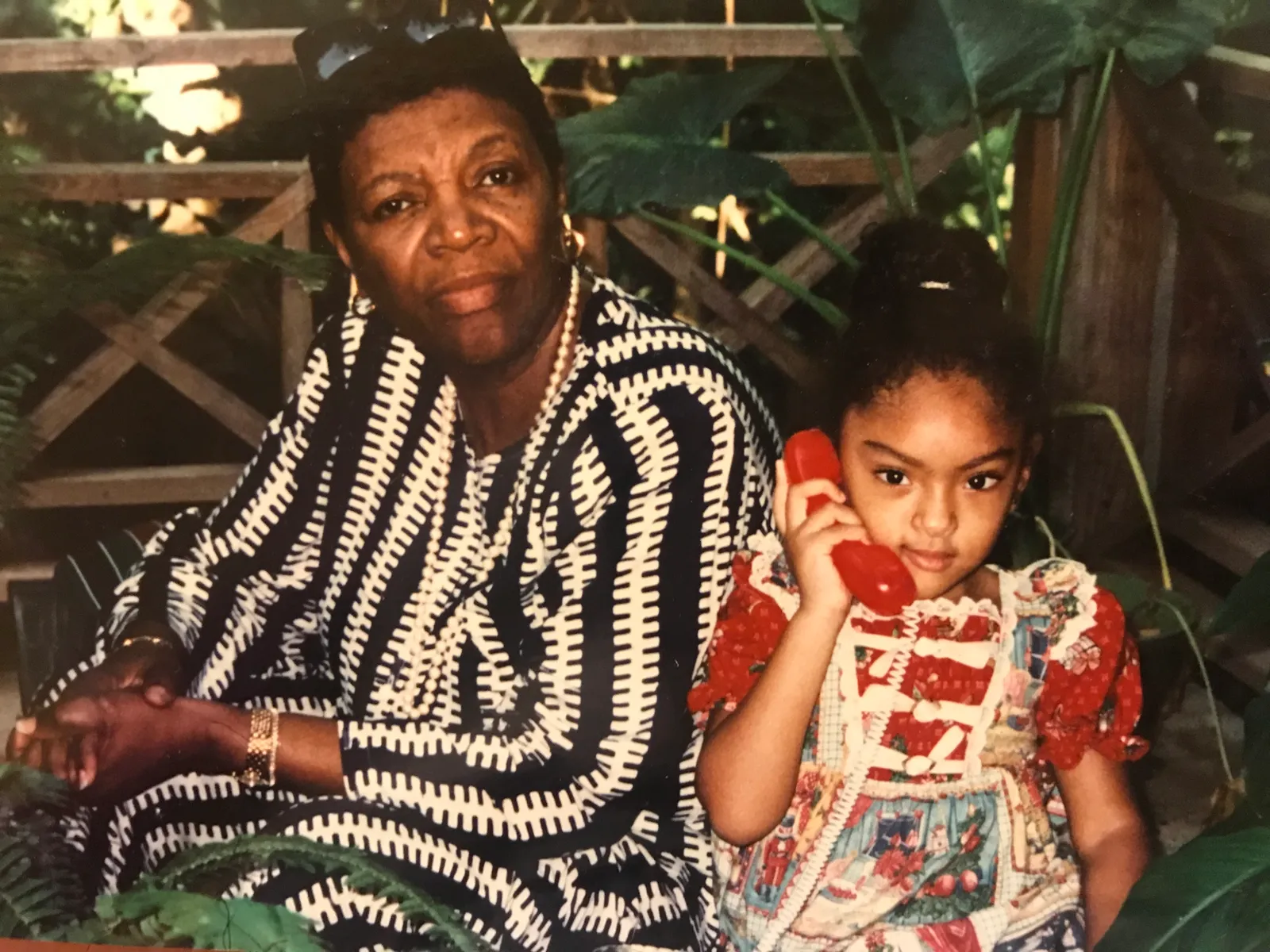
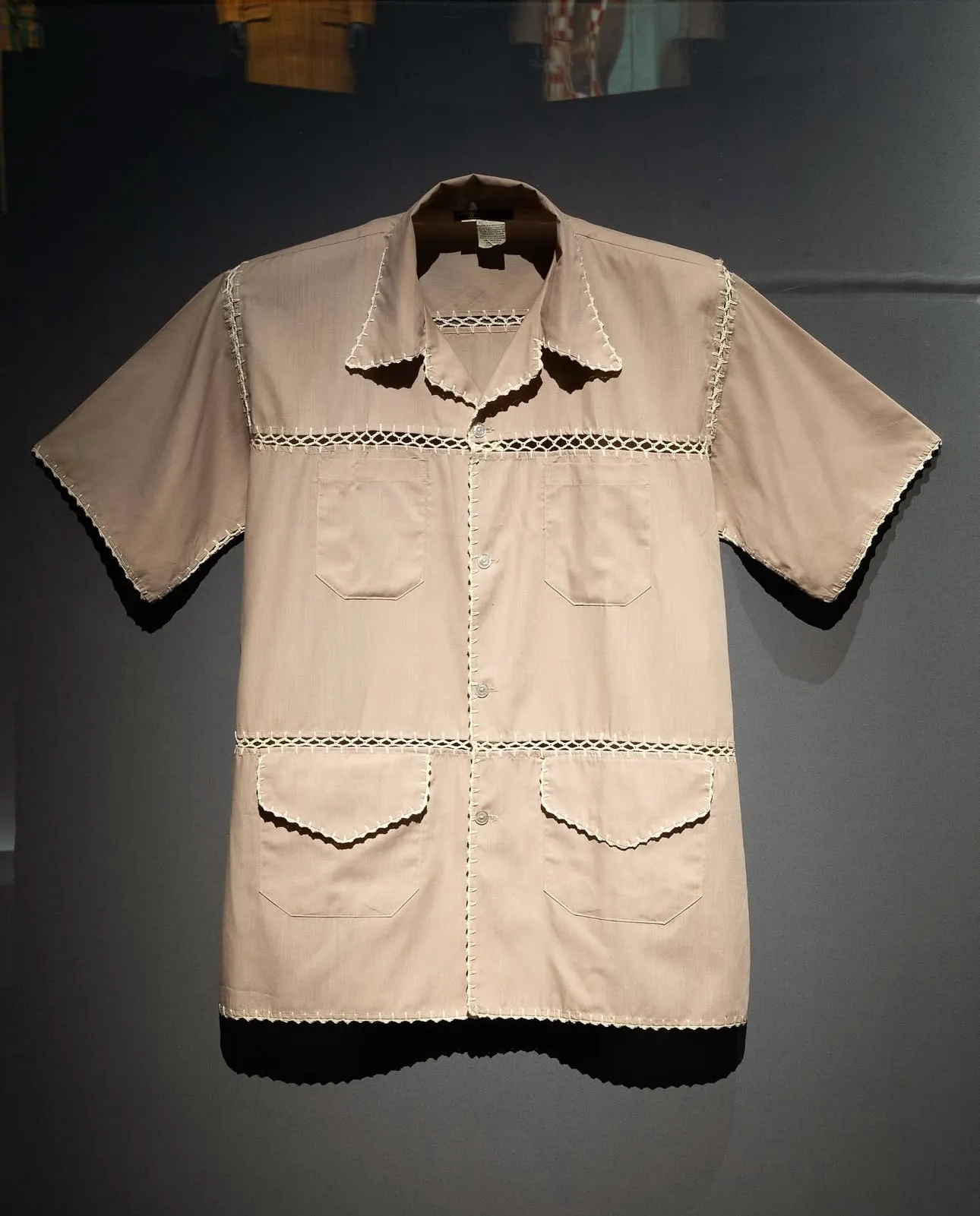
Created by Jamaican designer Ivy Ralph — grandmother to House of Ivy’s Ivy Coco Maurice — the 1970s Kareeba suit became the Caribbean’s climate-friendly version of the traditional European style suits used for business and politics.
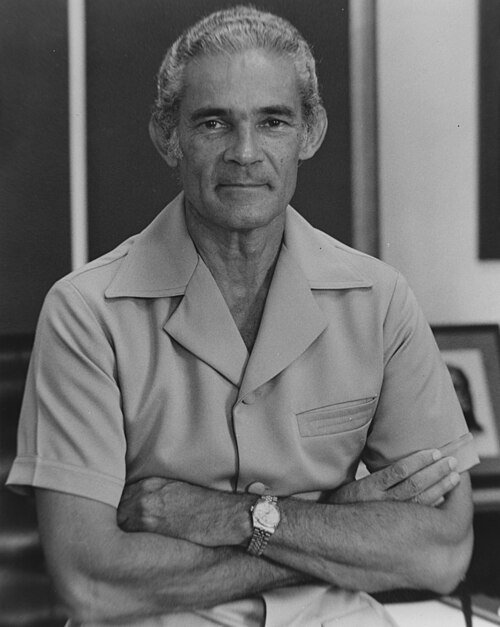
Michael Manley has some credit in bringing the design mainstream, after the People’s National Party came into power in 1972. Parliament formally recognized the Kareeba suit as suitable attire for official occasions, Manley famously wearing a black Kareeba suit when meeting the Queen in 1975, reinforcing the garment’s symbolic role in Jamaica’s push toward cultural decolonization.
In his memoir, The Politics of Change, Manley called the decision to wear a jacket and tie, in the tropical realities of the Caribbean, the “first act of psychological surrender” to “colonial trauma.” The Jamaica Labour Party, elected in 1981, later renounced the Kareeba suit as proper dress for parliament.
Many years later, the original design of the suit is featured as part of the MET Costume Institute’s spring exhibition, “Superfine: Tailoring Black Style” (Vogue, 2025). Granddaughter Ivy Coco Maurice honors her grandmother’s work through The House of Ivy.
Other designers are telling the Jamaican stories via threads. Just now, local designer Troy Oraine of Tribe Nine Williams is releasing a collection.