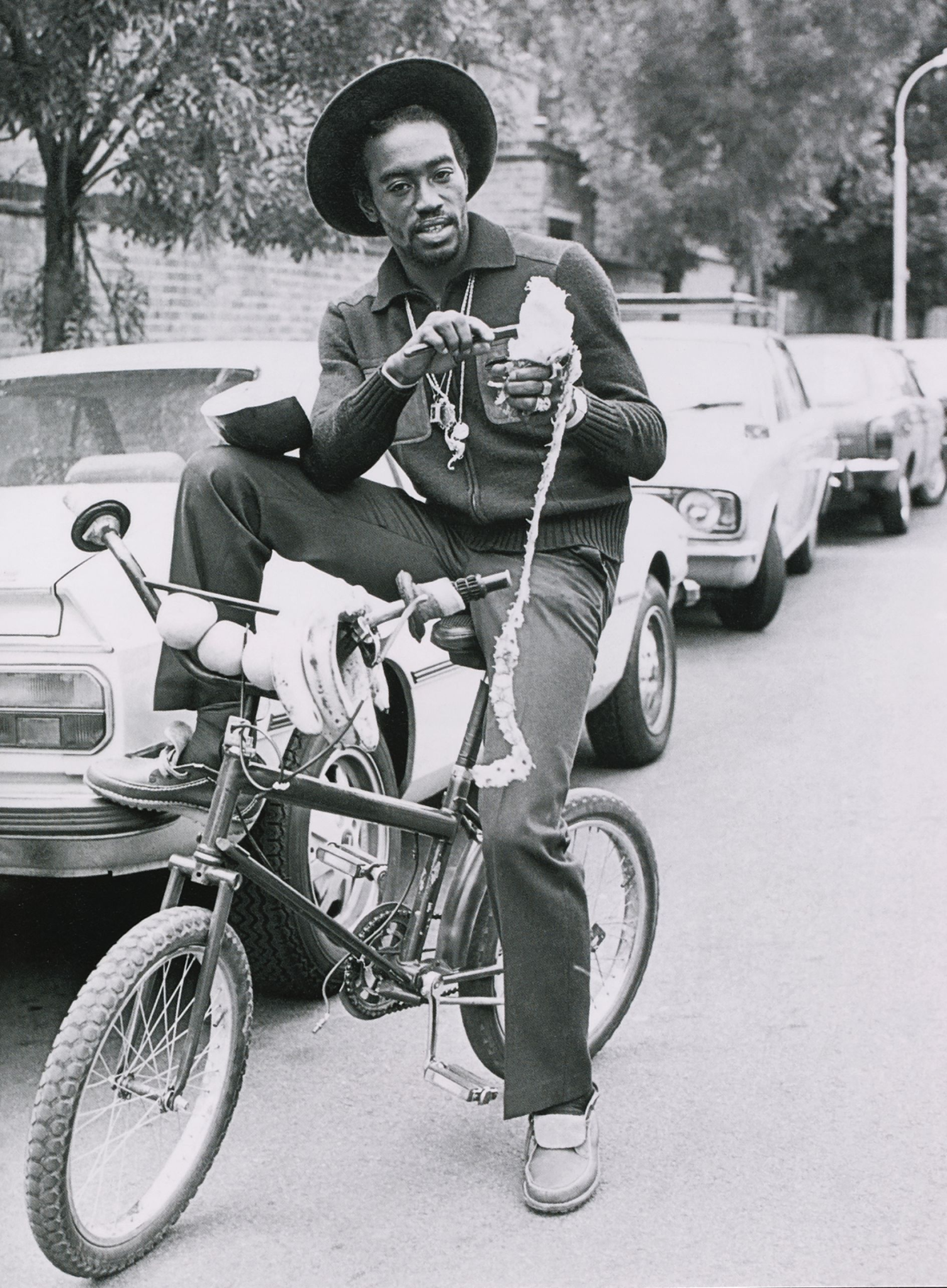
Over the decades tastemakers continually reinforce and introduce Clarkes, solidifying the shoe as a staple. Some of us, as kids, are surprised to see the shoe isn’t Jamaican. Not often can an item be so ingrained in the collective consciousness of a nation.
No other item has been cloaked with cultural clout as the Wallabee. The most recent or closest item may be the “Bridget sandals,” whose name still carries an air of “yes I can afford this” when mentioned around the island. The Bridget sandal has been popular over a decade and its clout is more associated as a symbol of status, or identity — yet when the brand announced it would make options for men, social media was quick to clown them.
So how did Clarkes capture the imaginative aspiration of the Jamaican?
The brand is one of the big dogs in the shoe game, but good marketing and invasive business practices aren’t enough for a random island in the Caribbean to be placed under one of fashion’s strongest spells.
The British brand became one of the most iconic fashion symbols in Jamaican culture — archival photos and stories show how musicians, street figures, and everyday Jamaicans embraced Clarkes as a status symbol and style staple. Jamaicans traveled to the UK to buy discounted pairs, and the shoes became so associated with street culture that police in the 1980s sometimes targeted people wearing them.
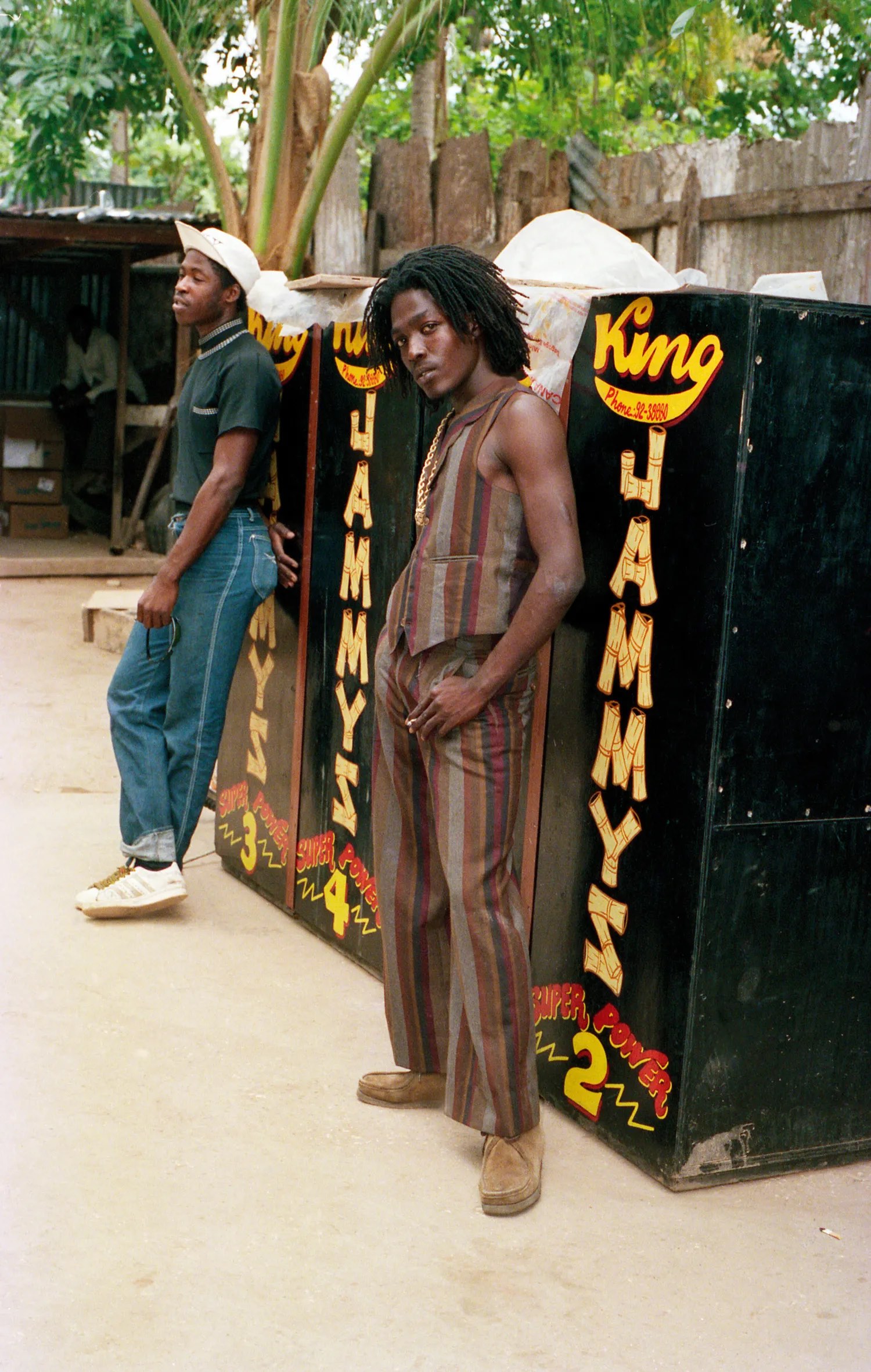
Styles like the Desert Boot and Wallabee stood out because of their crepe soles and sturdy construction, which handled Jamaica’s terrain well. The shoes quickly gained a reputation for quality and durability, making them desirable imports. They became even more culturally entrenched when reggae and dancehall artists began referencing them in lyrics. Musicians such as Little John, Super Cat, and later Vybz Kartel celebrated Clarkes in songs.